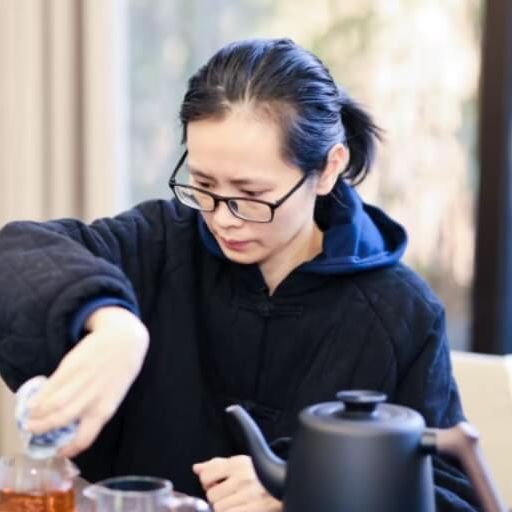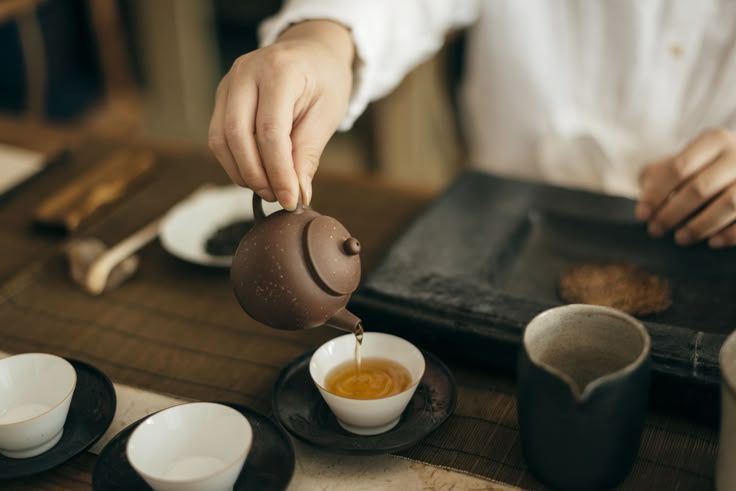
Tea can be deeply personal. Sometimes it is just one person, one cup, and a quiet moment. Other times, tea becomes a shared ritual: a host brings out a favorite tea, friends gather around the table, and conversation slows down.
That is where tea culture becomes visible.
For beginners, Chinese tea culture is not mainly about memorizing strict rules. It is about understanding how tea is prepared, offered, received, and shared. At the tea table, etiquette is not there to make people nervous. It exists to make everyone more comfortable, more attentive, and more respectful of the moment.
What Chinese Tea Culture Actually Means
Chinese tea culture is not limited to formal ceremony. In practice, it includes daily drinking, hosting guests, family gatherings, tea houses, festivals, and gift-giving. UNESCO describes China’s tea-related heritage as knowledge, skills, and practices connected with tea plantation management, leaf picking, manual processing, drinking, and sharing tea [1].
That broader definition matters. Many English-language readers search for the phrase “Chinese tea ceremony,” but in real life, much of Chinese tea culture is less rigid than the word ceremony suggests. It often looks like hospitality, conversation, and careful brewing rather than theatrical performance.
Tea at the Chinese table usually communicates three things at once:
- welcome
- attention
- respect
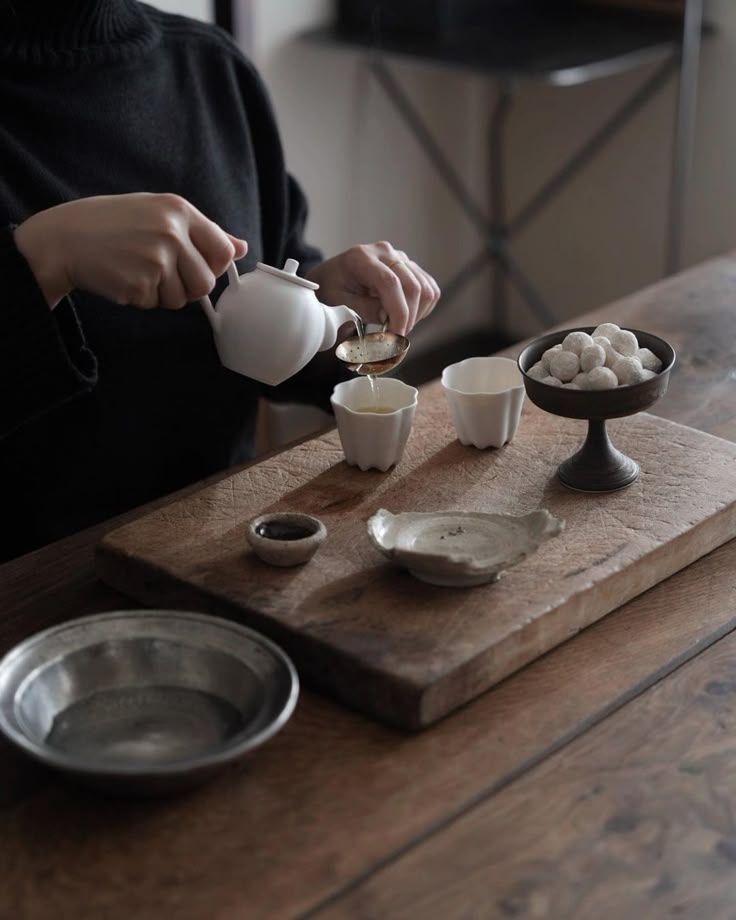
What Happens at a Chinese Tea Table
A Chinese tea session often follows a simple rhythm:
- Water is heated.
- The brewing vessel and cups may be warmed.
- Tea is infused in short rounds.
- The tea is poured and shared.
- The leaves are steeped again.
This repeated brewing style allows the tea to change across infusions. Aroma, texture, sweetness, roast, and aftertaste can all become more noticeable over time. That is one reason Chinese tea is often served in small cups rather than large mugs: the goal is not fast consumption, but attentive tasting.
Chinese Tea Table Etiquette: What Beginners Should Know
Tea etiquette in China varies by region, family, and setting. Still, several common ideas appear again and again.
Fill the Cup Thoughtfully, Not to the Brim
A common saying in Chinese tea culture is that wine may be poured full, but tea should not be filled all the way. In practical terms, this makes sense: tea is served hot, and an overfilled cup is uncomfortable to hold and easier to spill.
Serve Others Before Serving Yourself
At a shared tea table, guests, elders, or senior participants are often served before the host, depending on the setting. This reflects a basic principle of hospitality rather than a rigid ranking system.
Offer and Receive the Cup With Care
When handing tea to a guest, the cup should be offered neatly and respectfully. Avoid touching the rim where the guest will drink. A small gesture such as “please enjoy” or simply placing the cup carefully in front of the guest is enough.
Sip Slowly Rather Than Drinking It All at Once
Tea is not treated like a quick toast. In many Chinese tea settings, taking the tea in one large gulp can feel too abrupt for the mood of the table. Tea is usually enjoyed in small sips.
Refresh the Tea When the Social Situation Changes
In traditional hosting culture, if a new guest arrives in the middle of a tea session, the host may choose to refresh the tea or begin a new round. The gesture matters: it signals that the new arrival is being fully welcomed.
Why These Rules Exist
Many tea customs sound symbolic, but most of them have practical roots.
| Tea table habit | Practical reason | Social meaning |
|---|---|---|
| Do not fill the cup completely | Hot tea is easier to spill or burn with | Consideration for the guest |
| Serve others first | Keeps service orderly | Hospitality and respect |
| Sip slowly | Tea is hot and meant to be tasted | Presence and appreciation |
| Refresh tea for new guests | Keeps tea fresh and balanced | Inclusion and welcome |
| Handle cups gently | Protects teaware and keeps a calm atmosphere | Courtesy and self-control |
The Main Tea Tools and What They Do
| Tool | What it does | Why it matters |
|---|---|---|
| Gaiwan | Main brewing vessel | Gives the host precise control |
| Fairness pitcher | Collects tea before serving | Helps each guest receive similar strength |
| Small cups | Used for tasting and repeated infusions | Encourages slower drinking |
| Tea tray | Catches overflow and water | Keeps the table orderly |
| Kettle | Heats water | Controls temperature and flow |
| Strainer | Filters leaf fragments if needed | Keeps the liquor cleaner |
A fairness pitcher is especially important in shared service. Without it, the first cup and last cup from the same infusion may taste different. Decanting first creates a more even result for everyone at the table.
Chinese Tea Culture as Hospitality
One of the most important ideas in Chinese tea culture is that tea is a way of receiving people well. UNESCO includes drinking and sharing tea among the social practices connected with Chinese tea heritage [1].
That is why the tone of the tea table matters as much as the tea itself.
A good host is not trying to show off. A good host is trying to make the space feel settled:
- the tea should suit the moment
- the cups should arrive in a calm rhythm
- guests should not feel rushed
- conversation should have room to breathe
For beginners, this is the best way to think about Chinese tea etiquette: not as a performance, but as practiced hospitality.
What Not to Do at a Chinese Tea Table
Beginners do not need to act perfectly, but a few habits can make the table feel more comfortable.
| Avoid | Better approach |
|---|---|
| Filling cups to the very top | Leave space so the cup is easy to hold |
| Touching the drinking rim | Hold cups by the side or base |
| Pouring for yourself first in a shared setting | Serve others before yourself |
| Drinking every cup in one gulp | Sip slowly and notice the tea |
| Rushing the host | Let the tea session move at a calm pace |
| Treating etiquette as a performance | Focus on care, comfort, and attention |
The goal is not to impress anyone. The goal is to make the tea table feel easy, respectful, and welcoming.
How British Tea Etiquette Differs
Tea etiquette outside China developed along very different lines.
In Britain, afternoon tea became a social custom in the 19th century and helped bridge the long gap between lunch and dinner [2]. Over time, it developed its own social codes, table setting, and serving traditions.
A traditional afternoon tea is less focused on repeated infusions and more focused on the full hosted experience:
- a teapot of brewed tea
- sandwiches
- scones
- cakes or pastries
- orderly presentation
- dress, posture, and table manners in more formal settings
How Japanese Tea Ceremony Differs
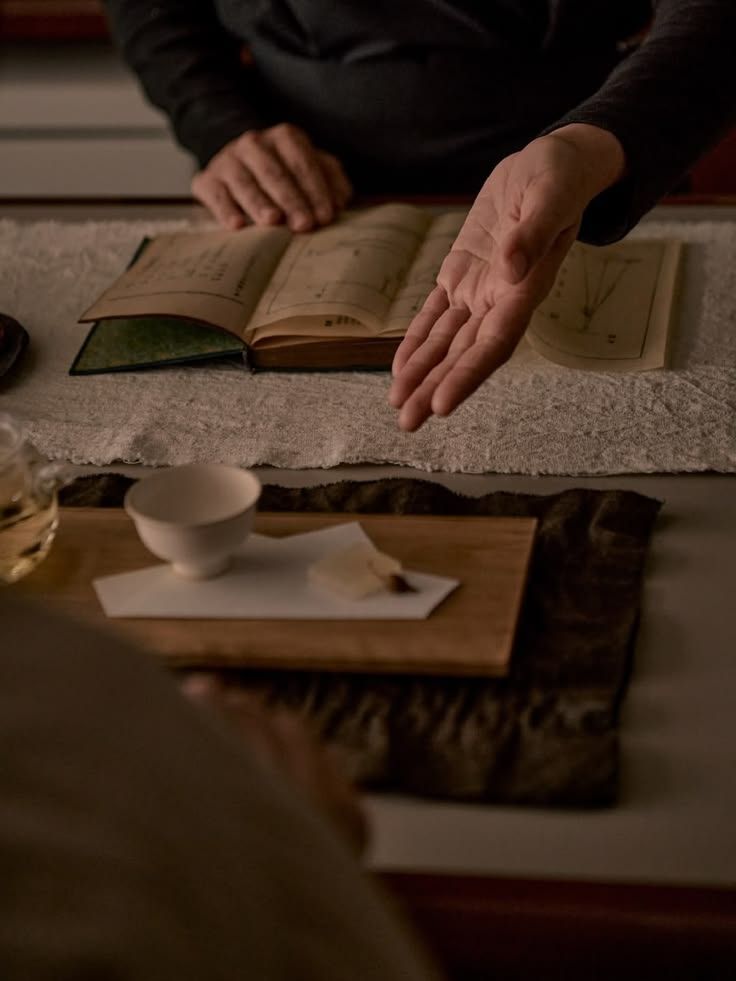
Japan developed one of the world’s most formalized tea traditions. The Japan National Tourism Organization describes Japanese tea ceremony as a highly structured practice in which preparing tea for a guest is elevated into an art form [3].
The well-known principles of harmony, respect, purity, and tranquility are central to this tradition [3].
Compared with everyday Chinese tea culture, Japanese tea ceremony is often more codified and choreographed. Chinese tea gatherings can certainly be refined and skillful, but many are also flexible, conversational, and woven into ordinary daily life.
A Simple Comparison
| Tradition | Main focus | Typical style | What beginners should know |
|---|---|---|---|
| Chinese tea culture | Hospitality, brewing, shared tasting | Flexible, social, repeated infusions | Respect matters more than perfection |
| British afternoon tea | Social hosting, table service, food pairing | Structured but approachable | The setting and service are central |
| Japanese tea ceremony | Formal hospitality, aesthetics, disciplined ritual | Highly codified and ceremonial | Etiquette and sequence matter strongly |
What Beginners Should Focus On First
If you are new to Chinese tea culture, start with these basics:
- serve others before yourself
- do not overfill the cup
- handle teaware gently
- sip rather than gulp
- keep the pace calm
- pay attention to the people at the table, not only to the tea
That is enough to begin well.
You do not need expensive teaware. You do not need to memorize dozens of rules. You do not need to perform “tea culture” as if you were on stage.
What matters most is the combination of care, rhythm, and presence.
FAQ
What Is the Main Idea Behind Chinese Tea Culture?
Chinese tea culture is centered on hospitality, attention, and shared tasting. It values the way tea is prepared and offered, not just the drink itself.
Do I Need Special Equipment to Start?
No. A gaiwan, a kettle, and a few small cups are enough for a beginner to start learning the basics.
Is Chinese Tea Culture the Same as a Tea Ceremony?
Not exactly. Chinese tea culture is broader and usually more flexible than the word “ceremony” suggests. It includes daily tea drinking, hosting, social etiquette, teahouse life, and regional customs.
Is It Rude to Refuse Tea?
Not always. If you do not want more tea, a polite smile, a small gesture, or a simple “thank you” is usually enough. In a formal setting, follow the host’s pace and respond gently.
Final Takeaway
Chinese tea culture works because it turns something ordinary into something intentional. A cup of tea is never only a beverage. At the tea table, it becomes a way to welcome people, pace conversation, and express respect without saying very much at all.
For one person, tea can be a quiet private world. For several people around a table, it becomes a shared one.
That is the logic of the tea table: not stiffness, but attention; not performance, but hospitality.