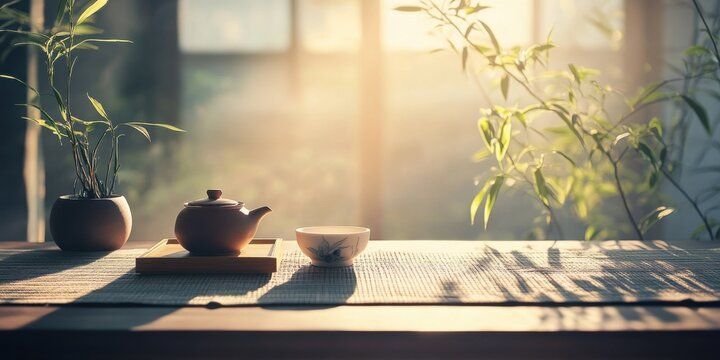
A teapot is not just a container. The body, lid, spout, handle, and material all change how tea pours, how fast it cools, and how easy it is to clean.
For beginners, the best teapot is usually the one that is simple, forgiving, and matched to the tea you actually drink.
Teapot Materials at a Glance
| Material | Best For | Strengths | Tradeoffs | Best Beginner Use |
|---|---|---|---|---|
| Yixing clay | Oolong, pu-erh, black tea | Rich feel, classic tea tradition | Usually dedicated to one tea style | Buy later, not first |
| Porcelain / gaiwan | Most tea types | Neutral taste, easy to clean, shows liquor color | Less heat retention than clay | Best all-purpose starter |
| Glass | Green tea, white tea, scented tea | Beautiful to watch, fully neutral | Cools faster | Great for visual brewing |
| Cast iron | Heating water, strong tea service | Durable, retains heat well | Heavy, not ideal for every tea | Better as a water-heating tool |
| Silver | Water service, specialty use | Premium feel, classic tea-service material | Expensive, not necessary for flavor | Only if you want a luxury piece |
| Specialty mineral pots | Collectors, niche brewing | Unique look and feel | Harder to evaluate, quality varies | Buy only from trusted makers |
1. Yixing Clay Teapots
Yixing clay teapots are one of the most famous teaware traditions in China. They are valued for their craft, their tactile feel, and the way many tea drinkers dedicate one pot to one tea style.
Best for
- Oolong tea
- Aged tea
- Black tea
Why people like them
- They feel traditional and expressive
- They suit repeated brewing of the same tea
- They are excellent when you want a more focused, ceremonial session
What beginners should know
- A Yixing pot is usually not the first thing to buy
- It works best when you commit to one tea family
- Quality matters a lot, so buy from a reputable source
2. Porcelain and Gaiwan
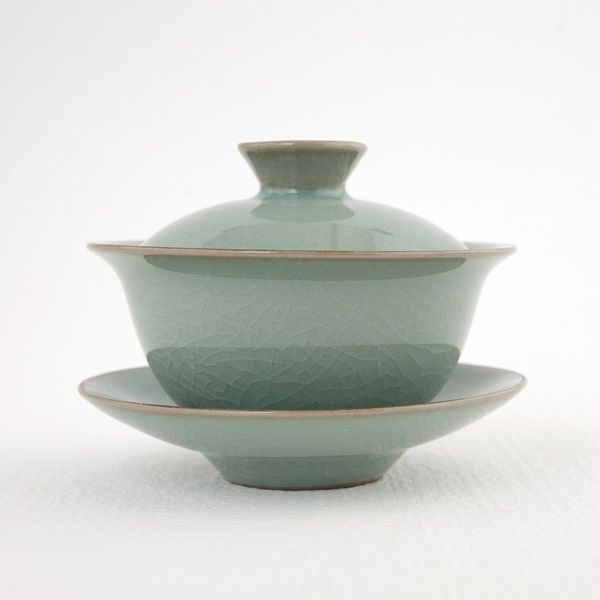
A gaiwan is not technically a teapot, but it belongs in this conversation because it is one of the best beginner brewing vessels.
Porcelain is neutral, so it does not add much of its own flavor. That makes it ideal when you want to learn what the tea itself tastes like.
Best for
- Green tea
- White tea
- Oolong tea
- Black tea
Why it works
- Easy to rinse clean
- Shows tea color clearly
- Lets you compare teas more accurately
Best beginner choice
If you want one vessel that can do almost everything well, start here.
3. Glass Teapots
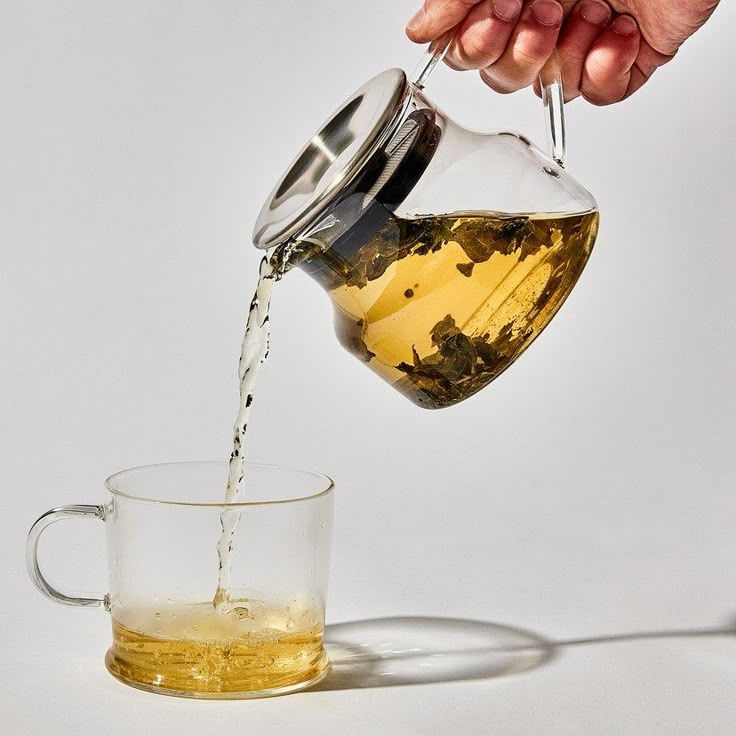
Glass is the most visual option. You can watch the leaves open, the color deepen, and the tea move through the water.
Best for
- Green tea
- White tea
- Herbal blends
- Floral or fruit teas
Why it works
- Totally neutral taste
- Great for watching the brewing process
- Easy to understand for new tea drinkers
Tradeoff
- It loses heat faster than clay
- It is less traditional for some tea styles
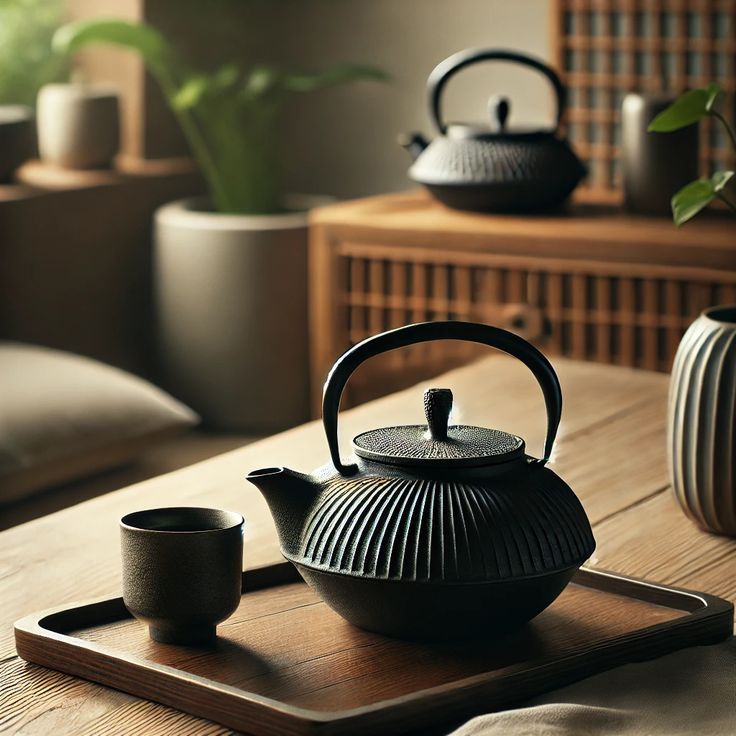
4. Cast Iron Kettles and Teapots
Cast iron is mostly about heat and durability. In tea practice, it is often valued as a water-heating vessel rather than the main steeping vessel.
Best for
- Boiling water
- Gongfu tea sessions
- Tea drinkers who like a substantial, traditional object
Why people choose it
- Strong heat retention
- Long service life
- Very stable feel on the table
What to remember
- It is usually better for water than for direct steeping of delicate leaves
- It is heavy
- It is not the most beginner-friendly first purchase
Iwachu describes Nambu tekki as a traditional craft with many hand-finished steps, which helps explain why cast iron teaware feels so substantial and distinctive.[5][6]
5. Silver Teapots
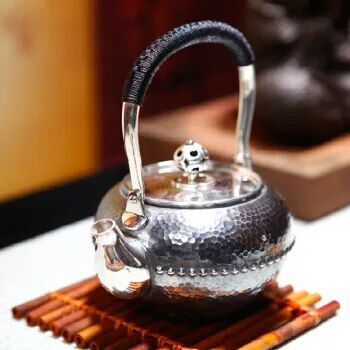
Silver tea service has a place in formal tea culture, but it is a luxury choice, not a necessity.
Best for
- Specialty tea service
- Water heating in formal settings
- Collectors who value craftsmanship
Why people like them
- Clean, elegant appearance
- High-end feel
- Strong presence on the table
Reality check
- Silver is not required to make better tea
- If you are just starting out, it is far more sensible to buy porcelain or glass first
Museum collections also include silver tea-infuser teapots, which shows that silver has long been part of formal tea-service design.[7] That does not make it a beginner necessity.
6. Specialty Mineral or Rock-Fired Pots
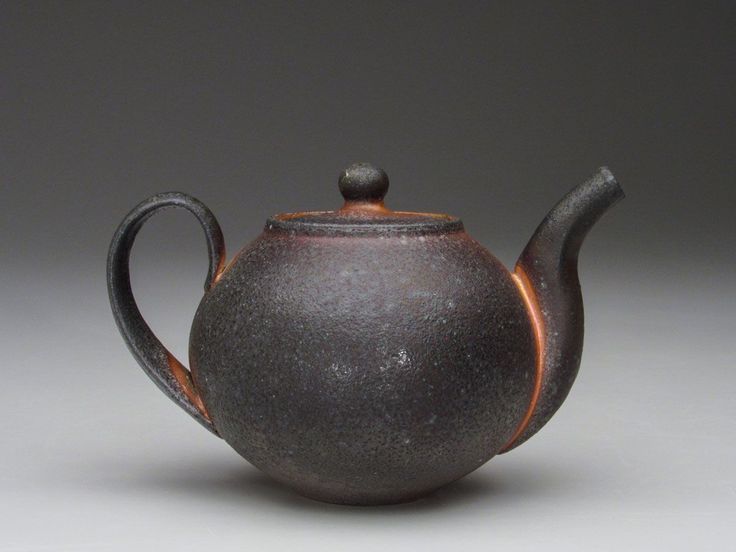
Some specialty pots are sold for their rustic look and distinctive firing style. These can be beautiful, but they are harder to evaluate than mainstream options.
Best for
- Collectors
- Enthusiasts who already know their brewing style
My advice
Treat this category as a specialty purchase, not a beginner shortcut.
What You Should Buy First
| Your Goal | Best First Buy |
|---|---|
| One vessel for almost everything | White porcelain gaiwan |
| Easy, low-risk daily brewing | Glass teapot |
| You mainly drink oolong or aged tea | Yixing clay pot later |
| You want a beautiful display piece | Cast iron or silver |
| You want to learn tea flavor honestly | Porcelain |
Safety and Brewing Notes
- Use food-contact-safe teaware from reputable makers.[1]
- Avoid decorative ceramic pieces that are not intended for food or drink.[2]
- Let tea cool a little before drinking; very hot beverages above 65°C have been classified by IARC as probably carcinogenic to humans.[3]
- If a glaze, finish, or lining is unclear, do not use the vessel for drinking.[1][2]
Bottom Line
If you are a beginner, start with porcelain or glass.
If you love one tea style and want a more expressive tool, move to Yixing clay later.
If you want a showpiece, choose cast iron or silver only after the basics are covered.
References
- U.S. Food and Drug Administration. Food Packaging & Other Substances that Come in Contact with Food - Information for Consumers.
- U.S. Food and Drug Administration. Questions and Answers on Lead-Glazed Traditional Pottery.
- International Agency for Research on Cancer. Drinking Coffee, Mate, and Very Hot Beverages.
- The Metropolitan Museum of Art. Teapot.
- Iwachu. About Iwachu.
- Iwachu. The manufacturing process of Nambu tekki.
- British Museum. tea-infuser; teapot.